72 篇文章带有标签 “agent”

Claude: Developing a computer use model

Developing a computer use model(开发计算机使用模型)

Claude can now use computers. The latest version of Claude 3.5 Sonnet can, when run through the appropriate software setup, follow a user’s commands to move a cursor around their computer’s screen, click on relevant locations, and input information via a virtual keyboard, emulating the way people interact with their own computer.

Claude现在可以使用计算机了。最新版本的Claude 3.5 Sonnet可以在通过适当的软件设置后,按照用户的命令在计算机屏幕上移动光标,单击相关位置,并通过虚拟键盘输入信息,模拟人们与自己的计算机交互的方式。
We think this skill—which is currently in public beta—represents a significant breakt

OSWorld:在真实计算机环境中为开放式任务进行多模态代理基准测试

参考

Abstract(摘要)

Autonomous agents that accomplish complex computer tasks with minimal human interventions have the potential to transform human-computer interaction, significantly enhancing accessibility and productivity. However, existing benchmarks either lack an interactive environment or are limited to environments specific to certain applications or domains, failing to reflect the diverse and complex nature of real-world computer use, thereby limiting the scope of tasks and agent scalability.

UI-TARS: Pioneering Automated GUI Interaction with Native Agents

UI-TARS: Pioneering Automated GUI Interaction with Native Agents(与本地代理进行自动化 GUI 交互的先驱)

Abstract(摘要)

This paper introduces UI-TARS, a native GUI agent model that solely perceives the screenshots as input and performs human-like interactions (e.g., keyboard and mouse operations). Unlike prevailing agent frameworks that depend on heavily wrapped commercial models (e.g., GPT-4o) with expert-crafted prompts and workflows, UI-TARS is an end-to-end model that outperforms these sophisticated frameworks.

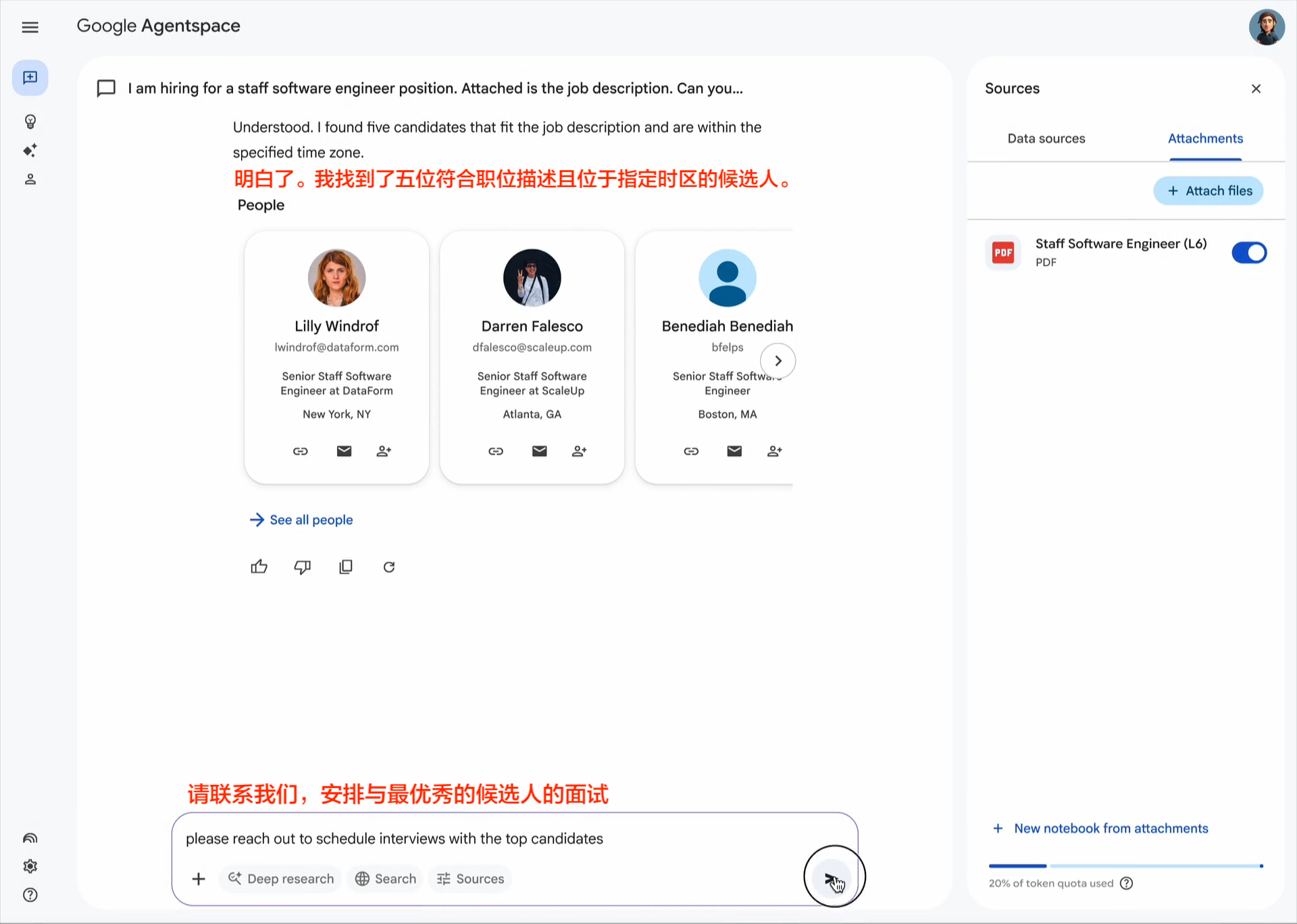
Computer-Using Agent

Computer-Using Agent (CUA)

A universal interface for AI to interact with the digital world. AI 与数字世界交互的通用接口。

Today we introduced a research preview of Operator⁠, an agent that can go to the web to perform tasks for you. Powering Operator is Computer-Using Agent (CUA), a model that combines GPT-4o's vision capabilities with advanced reasoning through reinforcement learning. CUA is trained to interact with graphical user interfaces (GUIs)—the buttons, menus, and text fields people see on a screen—just as humans do.

Operator System Card

1 Introduction(简介)

Operator is a research preview of our Computer-Using Agent (CUA) model, which combines GPT-4o’s vision capabilities with advanced reasoning through reinforcement learning. It interprets screenshots and interacts with graphical user interfaces (GUIs) — the buttons, menus, and text fields people see on a computer screen — just as people do. Operator’s ability to use a computer enables it to interact with the same tools and interfaces that people rely on daily, unlocking the potential to assist with an unparalleled range of tasks.

Operator 是我们计算机使用代理(CUA)模型的研究

LangChain Blog: In the Loop

What is an agent?

“什么是代理?”

几乎每天都会有人问我这个问题。在 LangChain,我们构建工具来帮助开发者构建 LLM 应用程序,特别是那些充当推理引擎并与外部数据和计算源交互的应用程序。这包括通常被称为“代理”的系统。

每个人似乎对代理都有稍微不同的定义。我的定义可能比大多数人更技术性:

💡 代理是一个使用 LLM 来决定应用程序控制流的系统。

即使在这里,我也承认我的定义并不完美。人们通常认为代理是高级的、自主的、类人的——但如果是一个简单的系统,LLM 在两个不同路径之间进行路由呢?这符合我的技术定义,但不符合人们对代理应具备能力的普遍看法。很难准确定义什么是代理!

这就是为什么我非常喜欢 Andrew Ng 上周的推文。在推文中,他建议“与其争论哪些工作应被包括或排除为真正的代理,我们可以承认系统可以有不同程度的代理性。”就像自动驾驶汽车有不同的自动化级别一样,我们也可以将代理能力视为一个光谱。我非常同意这个观点,我认为 Andrew 表达得很好。将来,当有人问我什么是代理时,我会转而讨论什么是“代理性”。

什么是代理性(agentic)?

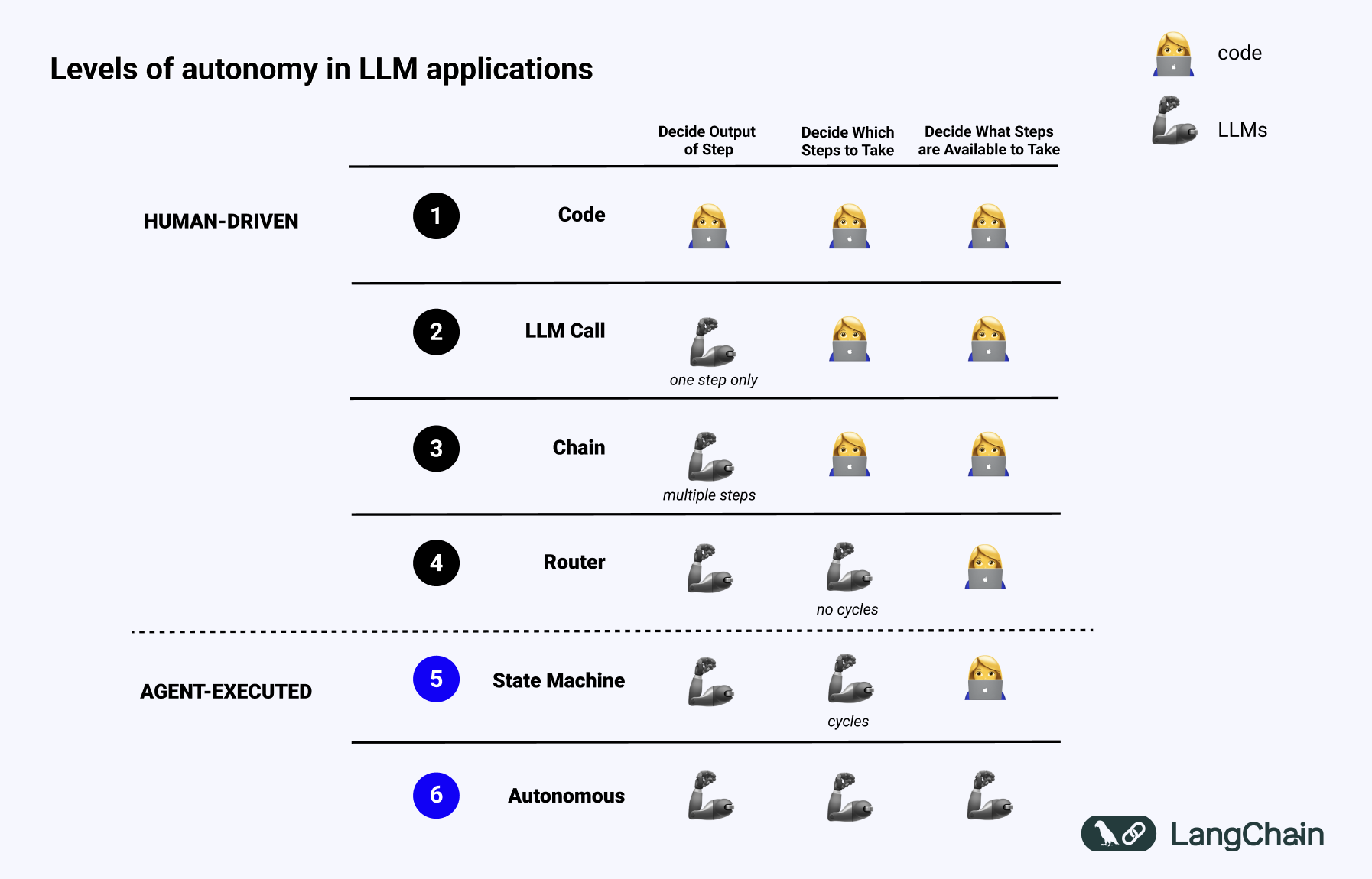
去年我在 TED 演讲中谈到了 LLM 系统,并使用下面的幻灯片讨论了 LLM 应用程序中存在的不同自主级别。

一个系统越“代理性”,LLM 决定系统行为的程度就越高。

使用 LLM 将输入路由到特定的下游工作流中具有一些小的“

AutoGen

AutoGen

定义 Agent

from autogen import ConversableAgent

llm_config = {"model": "gpt-3.5-turbo"}

agent = ConversableAgent(
    name="chatbot",
    llm_config=llm_config,
    human_input_mode="NEVER",
)

reply = agent.generate_reply(
    messages=[{"content": "给我讲个笑话。", "role": "user"}]
)
print(reply)

// ...
为什么八卦杂志最爱讲床上故事?因为上面都有新闻!哈哈哈~
为什么兔子喜欢吃胡萝卜?因为胡萝卜有好处,营养丰富!

多智能体对话

双人笑话

Dify

Dify

介绍

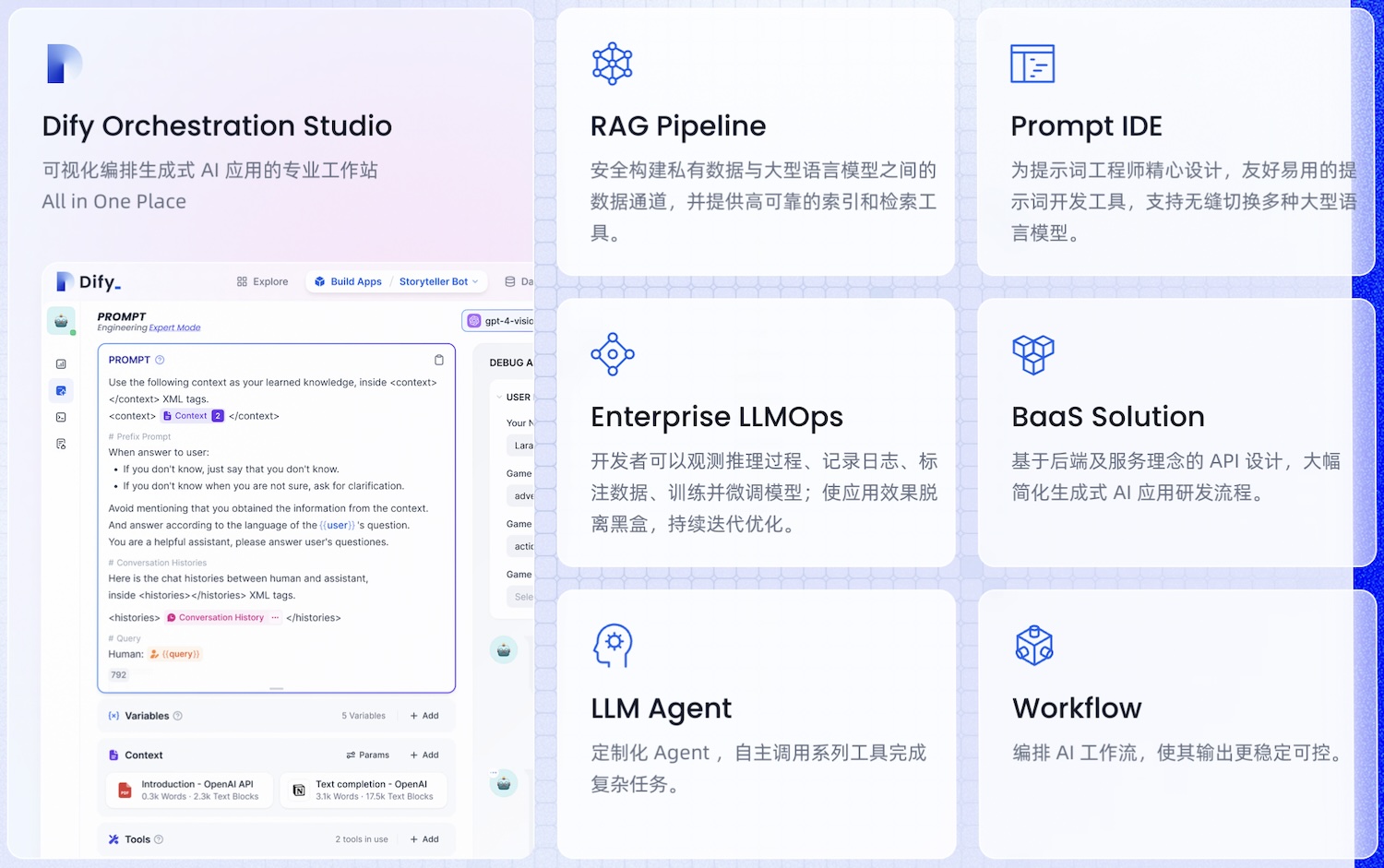
Dify 是一款开源的大语言模型(LLM) 应用开发平台。提供从 Agent 构建到 AI workflow 编排、RAG 检索、模型管理等能力,轻松构建和运营生成式 AI 原生应用。你可以基于任何模型自部署类似 Assistants API 和 GPTs 的能力,在灵活和安全的基础上,同时保持对数据的完全控制。

开发语言

语言 占比
TypeScript 49.9%
Python 45.5%
MDX 3.1%
CSS 0.9%
JavaScript 0.4%
SCSS 0.2%

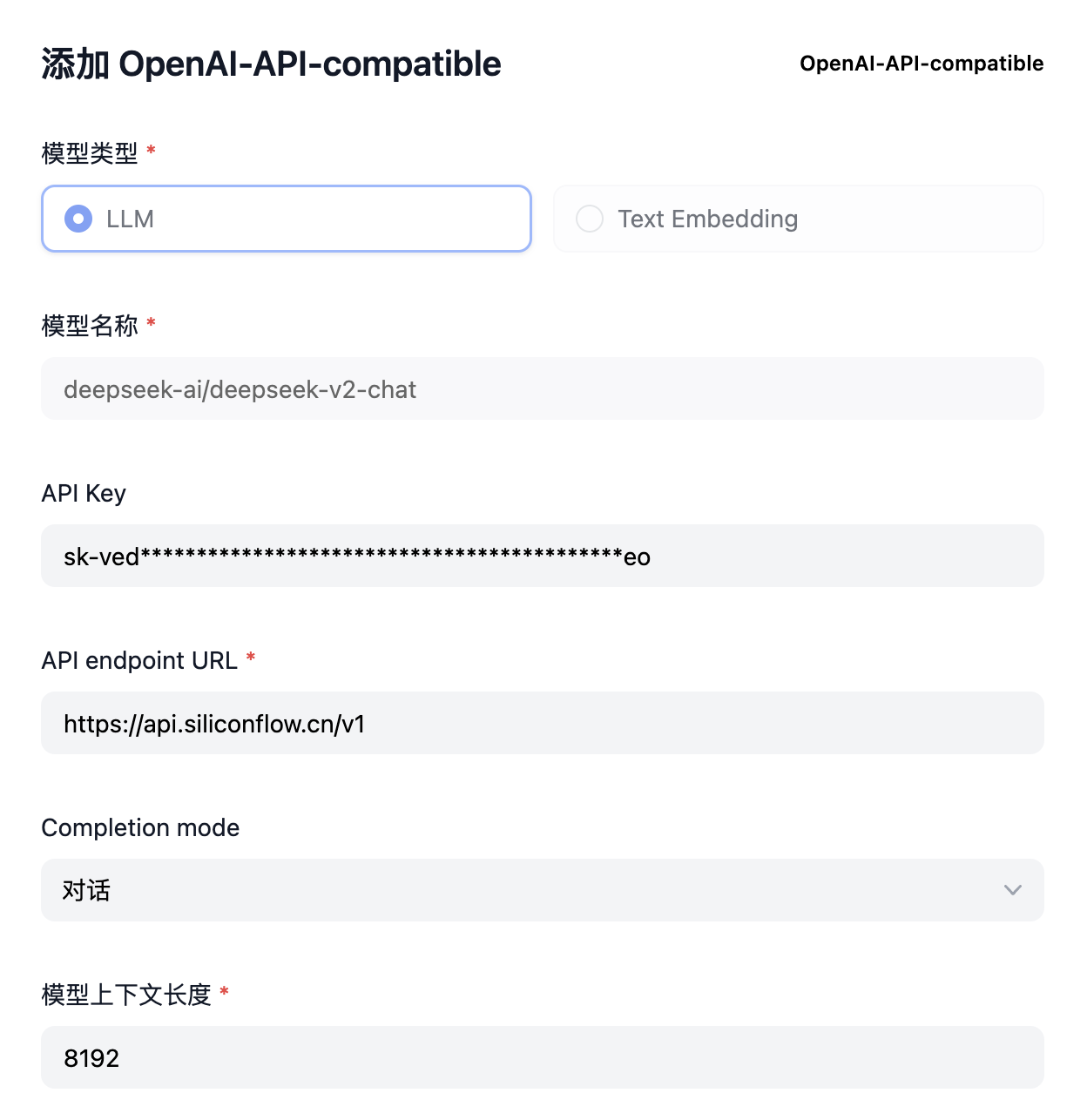
配置兼容 OpenAI API(SiliconFlow)

CrewAI 快速入门

CrewAI

安装

pip install 'crewai[tools]'

CrewAI 使用 Ollama 运行本地 LLM

.env

OPENAI_API_BASE=http://localhost:11434/v1
OPENAI_MODEL_NAME=aya:8b
OPENAI_API_KEY=NULL

agent.py

版本1

每次执行结果都不一样

from dotenv import load_dotenv
load_dotenv()

from crewai import Agent, Task, Crew
from langchain_openai import ChatOpenAI


general_agent = Agent(
    role = "数学教授", 
    goal = """为提问数学问题的学生提供解决方案并给出答案。""", 
    backstory = """您是一位优秀的数学教授,喜欢以每个人都能理解的方式解决数学问题。""", 
    allow_delegation = False,
    verbose = True
)

// ...

版本2

稳定地生成结果

大型语言模型驱动的自主代理

Application scenarios of AI agents(AI代理的应用场景)

AI代理是LLM应用的重要场景,构建代理应用将是2024年的重要技术领域。目前我们主要的智能形式有单AI代理,多AI代理,混合AI代理等三种。

Single AI Agent(单一人工智能代理)

在特定任务场景下完成的工作,比如 GitHub Copilot Chat 下的代理工作区,就是根据用户需求完成特定编程任务的一个例子。基于 LLM 的能力,单个代理可以根据任务执行不同的动作,比如需求分析、项目阅读、代码生成等。它也可以应用于智能家居和自动驾驶。

Multi-AI Agents(多人工智能代理)

这就是AI代理之间相互交互的工作。例如上述Semantic Kernel代理实现就是一个例子。脚本生成的AI代理与执行脚本的AI代理进行交互。多代理应用场景在高度协同的工作中非常有帮助,例如软件行业开发、智能生产、企业管理等。

Hybrid AI Agent(混合人工智能代理)

这就是人机交互,在同一个环境下做决策。比如智慧医疗、智慧城市等专业领域,可以利用混合智能来完成复杂的专业工作。

Intro of AI agent, & AI agent projects s

LangChain Text2SQL Agent

OpenAI Function Call (Extraction)

这个方法只有 OpenAI 的模型支持。

from langchain.agents import tool
from langchain.chat_models import ChatOpenAI
from langchain.tools.render import format_tool_to_openai_function

from langchain.pydantic_v1 import BaseModel, Field
from enum import Enum


# 省份、直辖市
class ProvinceEnum(str, Enum):
    山东省 = "山东省"
    # 其它省份


# 山东省地级市
// ...

OpenAI gpt-3.

生成式AI

机器学习的方法

监督学习(Supervised Learning)

监督学习使用带有标签的训练数据来训练模型。这些标签是预先定义的输出,模型通过学习输入数据与这些输出之间的关系来进行预测。监督学习的任务通常分为两类:分类(预测离散的标签)和回归(预测连续的数值)。常见的监督学习算法包括决策树、逻辑回归、支持向量机(SVM)、神经网络等。监督学习广泛应用于图像识别、语音识别、医疗诊断等领域。

无监督学习(Unsupervised Learning)

无监督学习不依赖于标签数据,而是试图在没有明确指导的情况下发现数据中的结构和模式。它的主要任务包括聚类(将数据分组到不同的簇中)和降维(减少数据的复杂性,同时保留其主要特征)。无监督学习常用于市场细分、社交网络分析、异常检测等场景。算法示例包括K-means聚类、主成分分析(PCA)等。

自监督学习(Self-Supervised Learning)

自监督学习是一种无监督学习的形式,它通过从数据本身生成伪标签来创建监督信号。这种方法通常涉及到设计任务,使得模型能够从数据中学习有用的特征表示,而不需要人工标注。自监督学习在计算机视觉和自然语言处理中尤其流行,例如,通过预测图像的旋转角度或文本的下一个字来训练模型。这种方法有助于减少对大量标注数据的依赖,同时为下游任务提供预训练的模型。

生成式AI(Generative AI) 生成式AI的目标是