3 篇文章带有标签 “DeepResearch”

模型上下文协议 (MCP) 全面解析:原理、应用与实现
这篇文章是使用 Google Gemini Deep Research 生成的。提示词:研究 Model Context Protocol

大型语言模型 (LLMs) 在理解和生成人类语言方面取得了显著的进步。然而,这些模型本质上是孤立的,它们的知识仅限于训练数据,并且缺乏与外部世界交互的能力 1。为了克服这些限制,将 LLMs 与外部数据源和工具集成变得至关重要 1。传统上,这种集成是通过为每个新的数据源或工具开发定制的连接器来实现的 1。这种方法导致了集成工作的重复,难以扩展,并且维护成本高昂,阻碍了上下文感知 AI 的广泛采用 1。

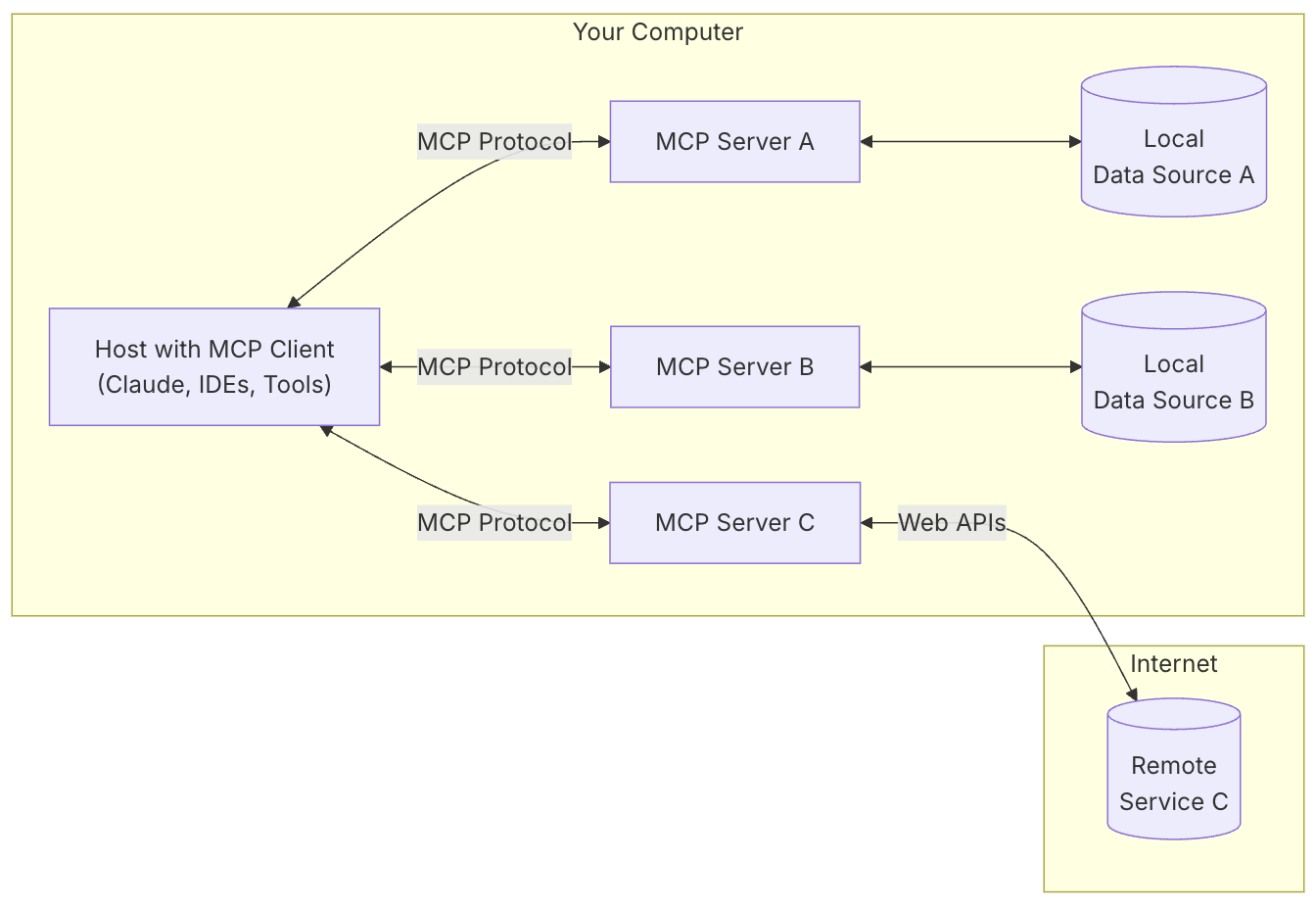
为了应对这一挑战,模型上下文协议 (MCP) 应运而生 1。MCP 是一种开放标准,旨在规范应用程序如何向 LLMs 提供上下文和工具 6。可以将 MCP 视为 AI 应用程序的通用连接器,类似于 USB-C 标准化了设备和外设之间的连接 6。通过提供一种标准化的方式将 AI 模型连接到各种数据源和工具,MCP 简化了集成,增强了互操作性,并促进了可扩展性 6。

本报告旨在对模型上下文协议 (MCP) 进行全面的解析,涵盖其基本原理、核心架构、通信机制、广泛的应用场景以及客户端和服务器端的创建方法。通过深入理解 MCP,开发者和组织可以更好地利用这一新兴标准,构建更智能、更具上下文感知能力的 AI 应用。

MCP 的设计基于若干核心原则,这些原则共同塑造

Open-source DeepResearch – Freeing our search agents

Yesterday, OpenAI released Deep Research, a system that browses the web to summarize content and answer questions based on the summary. The system is impressive and blew our minds when we tried it for the first time.

昨天,OpenAI 发布了 Deep Research,这是一个浏览网页以总结内容并根据总结回答问题的系统。当我们第一次尝试时,这个系统给我们留下了深刻的印象。

One of the main results in the blog post is a strong improvement of performances on the General AI Assistants benchmark (GAIA), a benchmark we’ve been playing with recently as well, where they successfully reached near 67% correct answers on 1-shot on average, and 47.

Introducing deep research

An agent that uses reasoning to synthesize large amounts of online information and complete multi-step research tasks for you.

一个代理,使用推理来综合大量在线信息,并为您完成多步研究任务。

Today we’re launching deep research in ChatGPT, a new agentic capability that conducts multi-step research on the internet for complex tasks. It accomplishes in tens of minutes what would take a human many hours.

今天我们在 ChatGPT 中推出了 deep research,这是一种新的代理能力,可以在互联网上进行复杂任务的多步研究。 它可以在几十分钟内完成人类需要花费数小时才能完成的任务。

Deep research is OpenAI's ne